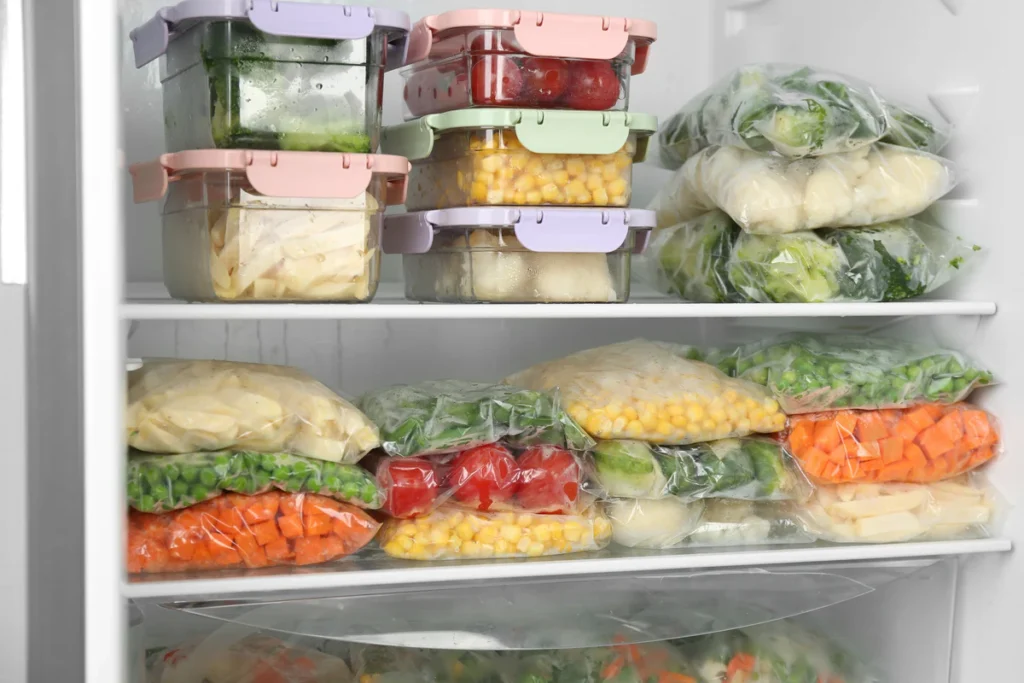
In the modern cold chain industry, frozen storage is the backbone of food security and supply chain integrity. Unlike standard refrigeration, which merely slows bacterial growth, Frozen Storage preserves products by bringing biological activity to a standstill. At temperatures typically ranging from -18°C to -25°C, enzymatic and microbial activity ceases almost entirely, locking in nutritional value, texture, and flavor for extended periods. For businesses dealing with meat, seafood, ice cream, or temperature-sensitive medical supplies, maintaining a consistent and reliable frozen environment is not just a logistical necessity—it is a commitment to quality and safety.
The science behind Frozen Storage is rigorous. At these sub-zero temperatures, water crystallizes within the product, but professional storage minimizes the formation of large ice crystals that can damage cell walls. By ensuring rapid freezing and stable holding temperatures, facilities guarantee that products emerge from storage as fresh as the day they entered. In the Saudi market, where ambient temperatures frequently exceed 45°C and supply chains face extreme climate challenges, a robust frozen storage solution is the ultimate safeguard against spoilage.
The Saudi Arabia cold chain market is estimated at USD 2.26 billion in 2026 and is projected to grow at a CAGR of 4.12 percent through 2031 . This growth is largely influenced by Vision 2030’s goal of economic diversification, which frames cold chain infrastructure as a cornerstone for safeguarding food security, modernizing healthcare distribution, and bolstering regional trade . The National Industrial Development and Logistics Program (NIDLP) continues to drive enhancements in the logistics sector, including cold chain logistics, with infrastructure upgrades and incentives for investment in logistics facilities.
Units has established itself as a top company in the storage sector, offering specialized Frozen Storage solutions that adhere to the highest international standards. Their facilities are certified by the Saudi Food & Drug Authority (SFDA), featuring precisely calibrated temperatures and advanced monitoring systems. For any business looking to protect their frozen assets, units.sa is the essential partner.
Frozen Storage in Jeddah: The Capital’s Hub for Cold Chain Excellence
Riyadh, as the administrative and financial capital of Saudi Arabia, is rapidly positioning itself as a key logistics hub for temperature-controlled distribution. The Riyadh region holds the largest share of the cold chain market, serving as the country’s logistical hub for food, pharmaceuticals, and temperature-controlled distribution . The city dominates the refrigerated trailer market as well, serving as the nexus of the national cold chain network connecting airport fresh cargo terminals, major grocery distribution centres, and hospital pharmacy cold chain operations .
The demand for Frozen Storage in Jeddah has increased significantly with the expansion of organized retail, e-commerce, and food import dependency. Major cold storage facilities in Riyadh are being developed to meet the needs of the growing population. Starlinks has launched Polaris, a groundbreaking cold-chain facility in Riyadh’s 2nd Industrial City, spanning 40,000 square meters and offering 44,000 multi-temperature pallets with temperature ranges from -25°C to +23°C, enabling seamless operations from ambient to deep freeze . The facility includes 25 cold rooms delivering 30,000 pallets and is designed to serve the growing demands of Saudi Arabia’s rapidly evolving food, pharmaceutical, and FMCG sectors .
NAQEL Express also operates temperature-controlled warehouses in Riyadh offering chiller and freezer storages with mobile-racking, selective-racking, and ambient storage with VNA-racking and selective-racking, supported by a custom-built warehouse management system . Additionally, AJEX has opened Saudi Arabia’s first GMP-GxP certified logistics depot in Riyadh, featuring a dedicated -20°C chamber for frozen products such as certain cell therapies and biologics, with real-time monitoring and backup infrastructure .
For businesses operating in Riyadh, Frozen Storage in Jeddah through a trusted provider ensures rapid replenishment cycles and maintains the integrity of the supply chain. The strategic location of Units’ facilities provides excellent access to distribution networks serving the entire central region of the Kingdom.
Frozen Storage in Dammam: Powering the Kingdom’s Food Security and Economic Growth
Saudi Arabia is undergoing historic economic transformation, and the cold chain industry is at the heart of this change. The Saudi Arabia cold chain market is estimated at USD 2.26 billion in 2026, with frozen storage playing a critical role in the Kingdom’s food security strategy . The Kingdom’s goal to be more self-sufficient in poultry production requires expansion of refrigerated warehouses, with government targets compelling investment in temperature-controlled networks that can handle 950,000 metric tons of chicken production .
Frozen Storage inDammam is essential for reducing food waste, supporting local farmers and manufacturers, enabling pharmaceutical distribution, and serving the growing hospitality sector. The Kingdom imports approximately 80 percent of its food requirements, creating a structural dependence on reliable refrigerated transport from ports to distribution centres . With post-harvest losses in the fruit and vegetable sector exceeding 30-40 percent, the need for efficient food storage solutions is critical . The country’s population growth and Vision 2030 agricultural targets make solar-powered cold storage a key focus for reducing spoilage and enhancing food security .
The healthcare sector’s demand for frozen storage is accelerating rapidly. The pharmaceutical cold chain segment is gaining traction, underpinned by growth in the healthcare sector and increased capacity requirements from vaccine distribution networks . NAQEL Express has invested in warehouses featuring multi-temperature zones dedicated to biologics and vaccines, with precise temperature control, monitoring, and expert handling to safeguard the integrity of pharma and FMCG products . A major investment of EUR 500 million (USD 581.56 million) under DHL’s global health-logistics initiative is being directed toward regional pharmaceutical cold chain development .
The integration of IoT and AI technologies is transforming frozen storage operations across the Kingdom. Effective October 1, 2025, the SFDA mandated electronic monitoring for all facilities handling refrigerated and frozen foods, requiring the integration of temperature and humidity sensors with the SFDA’s “Wasl” digital platform . This mandate replaces traditional manual logs with real-time, connected data streams, ensuring enhanced transparency, better safety safeguards, and improved public health protection . Key requirements include continuous environmental monitoring, digital linkage with the Wasl platform, extended data retention exceeding product shelf life, and accurate sensor placement based on thermal mapping .
Strategic infrastructure investments supported by public-private partnerships are accelerating facility development across major urban centers and port cities. The National Industrial Development and Logistics Program (NIDLP) continues to drive enhancements in the logistics sector, with USD 133 billion earmarked for new roads, ports, airports, and 59 logistics centers spanning 100 million square meters by 2030 . The integration of these hubs with the Fasah customs portal will compress import dwell times that have historically jeopardized cargo integrity .
Units is a recognized leader in Frozen Storage in Dammam, with facilities in key locations across the Kingdom. Their frozen storage solutions support food importers, local farmers, pharmaceutical distributors, and hospitality businesses. With precisely calibrated temperatures, strict humidity and airflow control, 24/7 security monitoring, and warehouses certified by the Saudi Food & Drug Authority, Units ensures the highest standards of quality and compliance. Their warehouses are built for performance and compliance with accurate temperature control across dry, chilled, and frozen storage, and include smart inventory tracking with expiry monitoring.
Why Units Is the Top Company for Frozen Storage Solutions
Across Saudi Arabia—from Riyadh to Jeddah to Dammam—businesses that depend on frozen products face a common challenge: finding frozen storage that is reliable, flexible, and professionally managed. Units has earned its status as a top company by delivering frozen storage solutions that meet the highest standards of quality, safety, and customer service.
Precisely Calibrated Temperatures: Units frozen storage facilities maintain consistent temperatures between -18°C and -24°C, suitable for a wide array of goods including frozen meats, poultry, seafood, pre-cooked meals, ice cream, butter, frozen dairy, frozen vegetables and fruits, dough and bakery items, and seasonal frozen goods. This precision ensures product integrity for the entire duration of storage.
SFDA Certification and Regulatory Compliance: Units warehouses are fully certified by the Saudi Food and Drug Authority (SFDA), ensuring strict adherence to the Kingdom’s health and safety regulations. Units maintains strict hygiene standards and a contamination-free environment, with advanced humidity and airflow control systems that protect product integrity.
Strict Hygiene and Contamination Control: Units warehouses maintain strict hygiene standards and a contamination-free environment, with advanced humidity and airflow control systems that protect product integrity. The warehouses are built for performance and compliance, with accurate temperature control across dry, chilled, and frozen storage.
24/7 Security Monitoring: Peace of mind comes standard with Units. Their warehouses feature 24/7 CCTV surveillance and security systems, protecting your inventory from theft and unauthorized access. Redundant power systems and automated controls ensure maximum product integrity and site security critical for cold-chain operations .
Smart Inventory Management with Expiry Monitoring: Units provides smart inventory tracking with expiry monitoring, and clients can access their inventory anytime through a user-friendly online platform. Physical access to warehouses is available from Saturday to Thursday, 7 AM to 5 PM.
Flexible Storage Options: Units offers flexible contracts that allow businesses to scale space up or down as needs evolve, without being locked into rigid long-term agreements. Whether you need space for a week or a year, Units offers terms that accommodate your business requirements.
For any business requiring Frozen Storage, Frozen Storage in Dammam, or Frozen Storage in Jeddah, the choice is clear. Units delivers the infrastructure, compliance, and flexibility that modern supply chains demand. Visit units.sa to explore available options, request a quote, and secure the future of your perishable goods.
Frequently Asked Questions (FAQs)
Q1: What is the standard temperature range for frozen storage at Units?
Units maintains a consistent temperature range of -18°C to -24°C in their frozen storage warehouses. This range is industry-standard for preserving the quality of frozen meats, seafood, ice cream, vegetables, and prepared meals. For specialized applications requiring ultra-low temperatures, Units can accommodate specific requirements upon request.
Q2: Are Units’ frozen storage facilities certified for food safety?
Yes. Units warehouses are fully certified by the Saudi Food and Drug Authority (SFDA) and maintain strict hygiene protocols and a contamination-free environment. The facilities also implement strict humidity and airflow control systems that make them suitable for all frozen food-related businesses. Effective October 1, 2025, Units complies with the SFDA’s electronic temperature monitoring mandate, integrating with the “Wasl” platform to ensure full regulatory compliance .
Q3: What types of products are ideal for frozen storage at Units?
Units is ideal for a wide variety of frozen goods including frozen meats, poultry, and seafood; pre-cooked meals; ice cream, butter, and frozen dairy; frozen vegetables and fruits; dough and bakery items; and seasonal frozen goods. For pharmaceutical products requiring frozen storage, Units can accommodate GDP-compliant storage requirements.
Q4: Can I track my inventory stored in the frozen warehouse remotely?
Absolutely. Units provides clients with access to a user-friendly online platform that allows you to monitor stock levels, track expiration dates, and oversee your inventory in real-time without needing to be physically present at the facility.
Q5: Is it possible to rent frozen storage space in Riyadh?
Yes. Units offers flexible frozen storage solutions in strategic locations, including Riyadh (as well as Jeddah and Dammam). This allows businesses to position their inventory closer to their customer base or logistical hubs. Visit units.sa to explore available frozen storage options and request a customized quote.