
Somewhere around mile two of a backcountry trail, every dog owner meets the question the brochures never answer: what, exactly, are you supposed to do with the bag you are now carrying? Camping and road-tripping with dogs has exploded in popularity — pet-friendly campsites report record bookings year after year — but the waste-management side of adventure travel remains a blind spot. Owners who are meticulous on their home sidewalk suddenly improvise in the wild, and the wild is precisely where improvisation does the most damage.
Dog waste does not belong in nature, counterintuitive as that sounds. Wildlife waste cycles nutrients native to an ecosystem; dog waste imports pet-food nutrients, foreign bacteria, and parasites that native soil and water have no defenses against. The Leave No Trace Center lists it plainly among the things you pack out. The good news: with a little kit-building and a few habits, managing waste on the road becomes as automatic as pitching the tent. Here is the complete playbook.
Why “It’s Natural” Doesn’t Apply to Dogs
The bear-in-the-woods argument collapses under basic ecology. Wild animals eat from the ecosystem they inhabit, so their waste returns local nutrients in local proportions. Dogs eat processed, nutrient-dense food from a bag, so their waste delivers concentrated nitrogen and phosphorus that fuel invasive weeds along trails and algal growth in alpine lakes. Worse, it can carry Giardia, roundworm, and parvovirus into environments where wildlife — and other visitors’ dogs — encounter them with no immunity and no warning.
Land managers take it seriously enough to measure it: studies in popular recreation corridors have counted thousands of pounds of accumulated dog waste per mile of trail per year. Every bagged pickup is a genuine contribution to keeping these places open to dogs at all, since waste complaints are a leading reason parks tighten pet restrictions.
Build a Dedicated Travel Waste Kit
The difference between travelers who manage this well and those who do not is almost always preparation, not virtue. Build a self-contained kit that lives with the camping gear so it cannot be forgotten:
- Two full rolls of strong waste bags — trail conditions destroy thin ones
- A compact scooper for campsite duty
- An odor-proof sealing container or dry-bag for carry-out stretches
- Hand sanitizer and a few nitrile gloves
- A carabiner to clip filled bags to a pack, not swing them from a hand
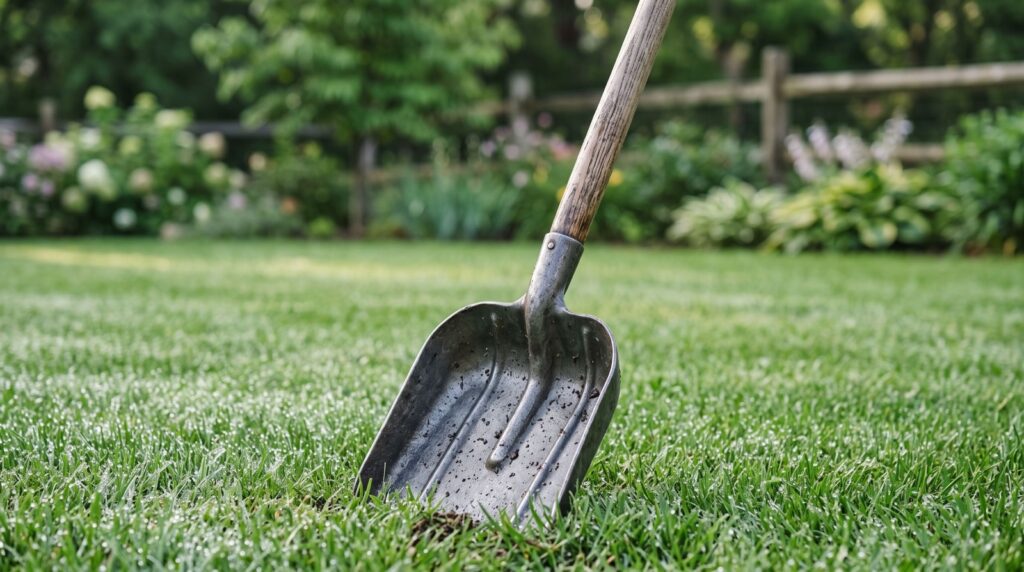
Seasoned campers stage the whole kit in a heavy duty tool bag in the trunk or truck bed, sealed off from food and sleeping gear. At the campsite itself, a compact Pooper scooper earns its packing space fast: policing your site morning and evening takes two minutes standing up, keeps the area pleasant for the whole stay, and leaves the pitch spotless for the next family — the campground version of leaving a good tip.
On the Trail: Pack It Out, Every Time
Trail protocol is simple to state and rarely followed: bag it immediately and carry it out. The infamous compromise — bagging waste and leaving it trailside “to grab on the way back” — has littered America’s most beautiful trails with neon plastic that outlasts the waste inside by centuries. If you truly cannot carry it, wilderness guidelines permit a cathole: six to eight inches deep, at least 200 feet from water, trails, and campsites, waste buried and bag packed out. But carrying remains the gold standard, and an odor-proof container clipped to the pack makes it a non-event.
Time the walk to your advantage, too. Most dogs eliminate within the first ten minutes of activity, so a short leashed loop near the trailhead — where bins usually exist — clears the business before the real hike begins.
Campsite and RV Etiquette
Developed campgrounds run on tighter rules than backcountry, and hosts enforce them because one inconsiderate camper generates a week of complaints. Keep dogs leashed per campground policy, never let them eliminate near shared water spigots or fire rings, and use designated pet areas where provided. RV travelers should know that dog waste never goes down the black tank drain at dump stations unless the station explicitly allows it; sealed bags go in the trash like anywhere else.
When arriving at an unfamiliar campground, a thirty-second question at check-in — “where do you want dog waste to go?” — marks you instantly as the kind of guest hosts extend late checkouts to. If a facility’s setup confuses you, park staff and reliable local experts at nearby outfitters can point you to the right disposal points and the genuinely dog-friendly trails, which saves both guesswork and fines.
Road-Trip Logistics Between Stops
The long highway stretches present their own puzzle: a filled bag, a hot car, and ninety miles to the next town. Solve it with containment — a small, dedicated, odor-sealing bin in the trunk, emptied at every fuel stop’s trash. Plan rest breaks every two to three hours anyway for the dog’s comfort; each becomes a disposal opportunity. Keep the leash-clip bag dispenser stocked, because rest-area grass strips are the most waste-neglected real estate in America, and you do not want to contribute to the reason they smell that way in July.
Key Takeaways
- Dog waste is an ecological import — foreign nutrients and pathogens — not “natural” fertilizer for the wild.
- Build a self-contained travel kit that lives permanently with the camping gear.
- On trails: bag immediately, pack it out, and never stage bags trailside for later.
- Police your campsite twice daily and follow each campground’s disposal rules.
- Use an odor-proof trunk bin on driving days and empty it at every stop.
- Waste complaints drive pet restrictions — every clean site keeps parks dog-friendly.
Heading Home
Traveling with a dog multiplies everything good about a trip — the trailheads feel more exciting, the campfires more complete. The tax on that joy is a small logistical discipline that most of the camping world has not yet learned. Owners who master it are quietly building the case, site by site and trail by trail, that dogs deserve their place in wild spaces.
Pack the kit this weekend, clip the roll to the leash, and make “leave it cleaner than you found it” the trip’s standing rule. The mountains will not thank you, the campground host might, and the next dog down the trail definitely would if it could.